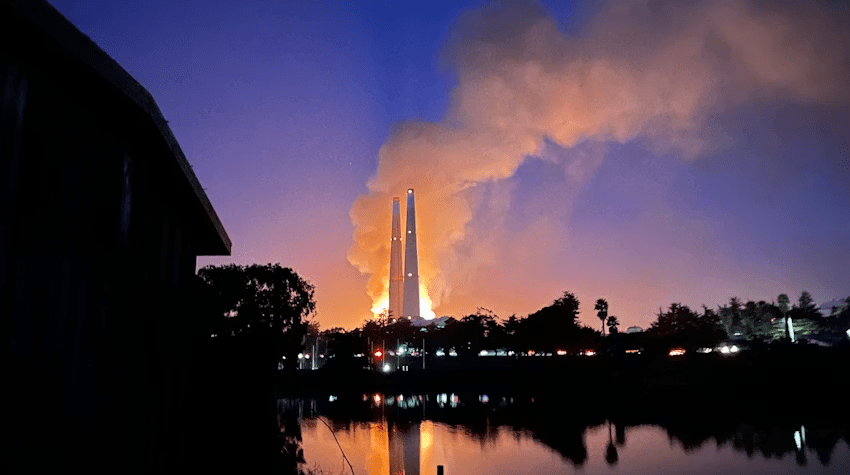
– Monterey County postpones Flock ALPR camera decision until September 22, but hears two hours of public testimony against ALPR

August 25
Today, the Monterey County Board of Supervisors heard public comment on a proposed 10-year contract with Flock for ALPR cameras — over 2 hours of testimony, all opposed except for one law enforcement employee.

Originally, the 10-year, 2.781 million dollar contract was to be considered today:

#9 Authorize the County Purchasing Agent or designee to negotiate and to execute a non-standard agreement with Flock Group Inc., dba Flock Safety, for the subscription service of 103 Flock cameras (License Plate Readers) in an amount of $2,781,000 for the period of September 1, 2026 to August 31, 2036.
REVISED Board Report (REVISED VIA SUPPLEMENTAL)
Board Report
– Flock Group Inc., dba Flock Safety Non-Standard Agreement

However, at the beginning of the meeting, Board Chair Askew announced that the Sheriff had postponed this item until September, tentatively September 22. The Board decided to take public comment today anyway, since people had already made plans to attend the meeting. Comments on ALPR were heard in the morning and from approximately 1:30 – 3:30 pm in the afternoon session. The video will be available at https://monterey.legistar.com/Page.aspx?M=W

– Salinas schools, children, and homes getting high, repeated exposure to methomyl, banned in over 50 countries for toxicity

Comments by Karen Cameron, concerned Salinas citizen, on August 11 to the Monterey County Board of Supervisors.


Salad bowl of the world, yet we’ve had no air monitor from CDPR [California Department of Pesticide Regulation] since 2017, so we don’t know what we’re breathing in terms of pesticides. It was interesting to read through the environmental justice element of the Monterey County General Plan, where CalEnviroScreen data was shared from Office of Environmental Health Hazard Assessment on pesticides accumulation in some of the disadvantaged areas. 99% accumulation in Boronda, Las Lomas, Moss Landing, Castroville. The list goes on. In Pajaro, where we have our closest air monitoring, it’s listed at 79 to 100% accumulation. That’s very concerning to me. We seem to live in a time when we’ve normalized this behavior. I flash back to 1962 where Rachel Carson published Silent Spring with many of these same concerns. My colleagues from Safe Ag Safe Schools and Future Leaders of Change are right now in Sacramento marking 30 years for California for pesticide reform. Just wanted to share with you that on a local level, I have a big concern I shared with the city council this week in Salinas. I met with the Monterey County Ag Commissioner by phone for over 20 minutes, displaying a concern that I have from spray days notification data that I have collected for two schools in Salinas that are near fields. University Park Elementary, I’ve noted 57 methomyl applications since May 10th. McKinnon Elementary, over 50. And to tell you the truth, I think I’ve missed a couple because it’s so hard to keep up with this. That is a minimal number I could document. Now the Ag Commissioner in our conversation not only confirmed that methomyl, these applications are all methomyl, is banned in over 50 countries for its toxicity, yet he is signing off on every application. And he admitted to me that this trend is going on for the next month at least. We share concerns that school is in session. I share concerns that I’ve had seasonal health concerns that seem to calendar in concern with this. So I’m asking all of you to speak out to the Ag Commissioner and please research methomyl. Thank you.

Video

Ms. Cameron advocates for transitioning to organics and a one mile buffer zone around schools. She is a member of Safe Ag Safe Schools and Californians for Pesticide Reform.

Additional comments to Salinas City Council, August 18, 2026
https://fb.watch/J7iXsqNRr_/?mibextid=wwXIfr
(In her remarks, Ms. Cameron meant to say a one mile buffer zone is necessary)

– Sexual harassment lawsuit against Monterey County, its Sheriff’s office, and the husband of the chief executive officer of the County

The Carmel Pine Cone recently reported on a very disturbing situation in the Monterey County Sheriff’s office:

A former supervisor in the Monterey County Sheriff’s Office alleges that the husband of the county’s top administrator subjected her to months of severe sexual harassment and intimidation, and that county officials failed to stop the behavior and retaliated against her when she complained.

https://carmelpinecone.com/260807PC.pdf p. 14, 25

That man is Rodrigo De La Rosa, the husband of the Monterey County Chief Administrative Officer Sonia De La Rosa, and the details provided in the Pine Cone article are chilling.

This is just the latest incident. A series of lawsuits have been filed in the last few years that point to a dangerous culture of sexual harassment and protection of perpetrators by the County of Monterey and its Sheriff’s Office. They include:

September 2025

A lawsuit filed by Rosy Silva detailing the sexual harassment and retribution she experienced when she began working for the county sheriff’s office in 2010, spanning three sheriff administrations to the present Sheriff Nieto.
https://kioncentralcoast.com/news/monterey-county/2025/09/08/1218404/

The full court document:
https://kion546.b-cdn.net/2025/09/MCSO-LAWSUIT.pdf

January 2024

Whistleblower lawsuit by Bryan Hoskins against current Sheriff Nieto for wrongful termination due in part to his complaints about sexual harassment of multiple staff members by former undersheriff John Mineau.
https://www.sfgate.com/news/bayarea/article/whistleblower-lawsuit-accuses-current-sheriff-18631999.php

October 2022

Lawsuit against Monterey County by a victim of former undersheriff Mineau
https://www.ksbw.com/article/monterey-county-undersheriff-mineau-victim-sues-county-over-misconduct/41547228

November, 2020

Christian Schneider complaint to the Fair Political Practices Commission against Sheriff Steve Bernal, including for affairs he had with subordinates
https://voicesofmontereybay.org/2020/11/13/monterey-county-sheriff-accused-of-serial-affairs-with-subordinates/

These were situations where the victim was willing to come forward. How many others have been harassed, pressured into sex for job advancement, or outright assaulted and remained silent for fear of retribution and their personal safety? How many had champions like Christian Schneider and Bryan Hoskins, versus how many were alone?

And if this is how female employees are treated who have freedom, how does the Sheriff’s office treat female suspects and inmates? How do they treat women drivers they pull over on county roads, especially women of color? How do they treat juvenile girls in their custody or they encounter in their work day? Is sexual harassment and assault taking place? Is it the norm? And are boys and men also experiencing sexual harassment or even assault in the criminal justice system? Is juvenile hall safe?

This is in addition to other problems reported in the sheriff’s office, including the deaths of inmates in the county jail, and this taxpayer-funded attack https://voicesofmontereybay.org/2020/06/14/why-are-taxpayers-paying-for-political-slime/

An unhealthy and lawless culture exists at the County of Monterey, and it is costing residents and businesses security, peace of mind, money, safety, and physical and mental well-being, while elected county supervisors and the district attorney do nothing. This must change. Monterey County’s CAO must be placed on leave, this situation investigated, and independent oversight brought into the Sheriff’s office to make needed changes. County supervisors satisfied with the dangerous status quo must be replaced.

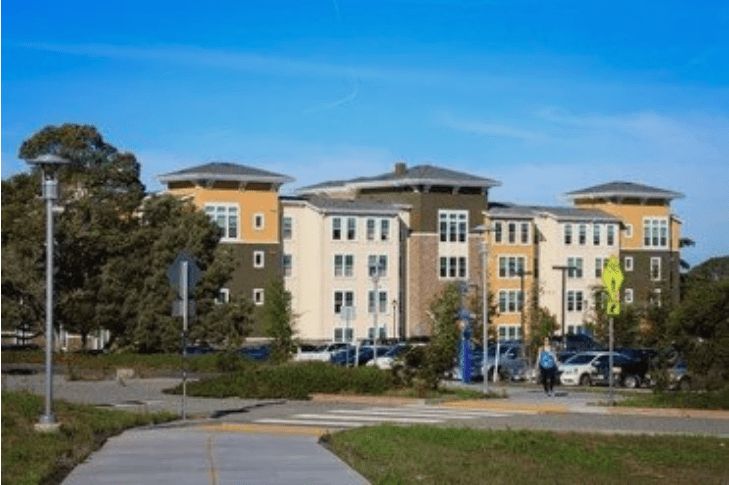
– August 21, Santa Cruz County Supervisor Kim DeSerpa on KSCO

From Becky Steinbruner

Friday’s Guest on “Community Matters” (2pm-3pm Pacific Time) is Santa Cruz County Second District County Supervisor Ms. Kim DeSerpa.  

  • What are the challenges facing the Aptos, Capitola, Corralitos and Watsonville areas she represents? 
  • What is the latest news on the “Village on the Green” project in Aptos, with two apartment buildings six stories tall and nearly 200 three-story townhomes? 
  • What are her thoughts on regulating battery energy storage (BESS) facilities?  

Listen in!  Calls will be accepted at the discretion of Supervisor DeSerpa. 

You can listen live on KSCO Radio AM 1080 or live stream: http://www.ksco.com/

The program will be recorded and posted on the KSCO website: 
http://zbsradio.com/play-episode/id/24961/play-time/1

– NRC proposes changes to radiation protection standards; webinar August 19, including how to comment

Zoom link with registration https://us02web.zoom.us/meeting/register/LIz4c3XHSle1soKZisRrFA

Protect Better Webinar 2

August 19 | 8-9:30 PM Eastern / 5-7:30 PM Pacific

  • The science
  • The health consequences
  • The legal implications
  • How YOU can submit a public comment

Zoom link with registration https://us02web.zoom.us/meeting/register/LIz4c3XHSle1soKZisRrFA

– – –

Public comments to the Nuclear Regulatory Commission are due August 31.

What kind of world are we leaving our children?

As parents, grandparents, great-grandparents, aunts, uncles, and loved ones, we have a responsibility to protect those who cannot speak for themselves — and those who aren’t even here yet.

The NRC is proposing changes to radiation protection standards that could affect how radiation risks are evaluated and how well workers and communities are protected.

Our children and future generations deserve better protection, not weaker standards.

For our kids. For our grandchildren. For generations we will never meet.

Sponsored by the ProtectBetter campaign of the Stop Radiation Pollution Coalition.
Protectbetter.org

– Eight former CSUMB students or spouses report cancer diagnoses near Fort Ord’s toxic industrial zone

From Military Poisons
August 11, 2026
by Pat Elder

New cancer cases at Promontory Housing spark investigation into nearby military contamination.

Blood Cancer Cases

  • An individual referred to as Caleb diagnosed with lymphoma.
  • An additional student with a lymphoma diagnosis.
  • A former student who passed away from multiple myeloma at age 57
  • A student who was diagnosed with leukemia while residing in the area.
  • A second report of leukemia involving the son of a community member

Breast Cancer Cases

  • A local resident and former student who passed away from breast cancer at age 37.
  • A student diagnosed with breast cancer.

Ovarian Cancer

  • A former student diagnosed with ovarian cancer alongside multiple medical complications.
    See Julie Akey’s database of more than 2,000 people who suffer with disease or are deceased and lived on the former Fort Ord or on lands there were later developed.

The Promontory Apartment student housing complex at the California State University, Monterey Bay was built adjacent to severely contaminated land.

Within roughly a third of a mile of today’s apartments stood a dangerous concentration of Army facilities that handled herbicides, chlorinated solvents, medical waste, petroleum products, pesticides, and electrical equipment.

Two students who lived at Promontory have been diagnosed with lymphoma, leading us to search for potential causes nearby.

In August 2015, California State University, Monterey Bay opened the Promontory Apartments. The complex consists of three four-story apartment buildings containing approximately 174 apartment units and 579 student beds, later expanded to approximately 789 beds.  It was the university’s first new student housing project in more than a decade and today houses hundreds of upper-division students immediately adjacent to the former industrial core of Fort Ord.

They put it in a horrible location. Students and their parents are unaware that they are just footsteps from the potentially dangerous toxic epicenter of former Fort Ord.

Fort Ord was no ordinary military base. Between World War I and its closure in 1994, an estimated 1.5 million American soldiers passed through its gates for basic training, combat preparation, and overseas deployment. At its peak during the Vietnam era, the installation encompassed nearly 28,000 acres and housed as many as 50,000 troops, functioning as one of the Army’s largest and most sophisticated training centers. Thousands of buildings, miles of roads, maintenance depots, hospitals, warehouses, motor pools, firing ranges, fuel storage areas, and utility systems operated around the clock to support the enormous logistical demands of preparing soldiers for war.

This vast military enterprise was built during a period when industrial chemicals were promoted as exciting technological breakthroughs. Chlorinated solvents, petroleum products, pesticides, herbicides, heavy metals, and PCBs were indispensable tools of modern military operations.

Throughout the period, military planners and chemical manufacturers possessed clear scientific understanding of the environmental and health hazards, yet consciously prioritized tactical utility and cost over public safety, actively hiding or ignoring the data for decades.

Let’s study the Fort Ord “cleanup” map and today’s Google Map.

The historic Fort Ord cleanup map is aligned with the modern Google satellite image here.  The Google map is not drawn to scale.

The wind blows off the ocean, predominately from the north and west. (from the top left) That’s bad news because the Red X represents the former incinerator at Building 1442, and the Blue X, 1,800 feet southeast, represents the location of Promontory student housing.

The Black X is the site of today’s athletic field, while the Green X, in the center of things, is the site of the notorious Pete’s Pond. The Brown X is Building 4900, the epicenter of volatile organic compound (VOC) contamination on base.

Approximate distance in feet from Promontory Apartments to toxic sites:

Pesticide Building 4891  600
Pete’s Pond                    750
Building 4900                1200
Athletic Field (center)     1250
Incinerator                      1800

The Building 1442 Incinerator and  Dioxins and Furans

Rather than shipping highly toxic medical waste from the nearby hospital off-site, the Army constructed Building 1442, an industrial incinerator that operated for nearly forty years.

The old Fort Ord Hospital was located about two blocks from the Building 1442 incinerator. During the period from the 1930s to the 1960’s, military hospitals relied heavily on crude chemical preparations for infection control and diagnostics. This generated waste stream materials that would today be managed as highly regulated hazardous waste.

These early medical mixtures contained a complex array of toxins, including mercury from various uses, mercuric antiseptics like Merthiolate, lead shielding, X-ray film wastes, and silver-bearing photographic processing chemicals. The waste stream was further complicated by formaldehyde, phenolic disinfectants (such as carbolic acid and cresols), ether, laboratory solvents, pharmaceutical wastes, and infectious biological materials.

The incinerator at Building 1442 burned it and sent plumes of smoke in the direction of today’s Promontory Housing. The low burning temperatures synthetically generated highly carcinogenic dioxins and furans. The brick incinerator was located 150 feet northwest of today’s athletic field and 1,800 feet from the Promontory Apartments. It created 2,3,7,8-tetrachlorodibenzo-p-dioxin (2,3,7,8-TCDD). We call it dioxin.

A molecule of 2,3,7,8-TCDD created in the small brick incinerator reacts inside the human body exactly like a molecule of 2,3,7,8-TCDD found in the Agent Orange defoliant sprayed over 9,000 acres of Fort Ord and mixed in Buildings 4891 and 4897 just a few hundred feet from the Promontory Apartments. 

Dioxin is one of the most toxic environmental pollutants in the world. Once inside the human body, dioxin sneaks into cells and hijacks the master controls that tell them how to grow. At the same time, it deals a crushing blow to our immune system. It causes the thymus—the special organ where our body’s ‘soldier’ cells (T-cells) are trained—to shrink and weaken. Without healthy T-cells to defend us, and with normal cell growth thrown into chaos, the body loses its ability to fight off threats. This dangerous combination of broken cell controls and a crippled immune system greatly increase the risk of aggressive blood and bone marrow cancers.

The resulting hazardous ash and unburned medical refuse were routinely disposed of in unlined burial pits and trenches across the Site 17 yard, creating a heavily contaminated ash footprint directly over today’s athletic field.

From these unlined trenches, seasonal winter rains systematically washed the toxic residues downhill into Pete’s Pond. Concurrently, heavy equipment maintenance at the adjacent Building 4900 was draining volatile organic compounds (VOCs) straight into the local soil. Because Pete’s Pond, a 3.3-acre triangular depression and its adjacent extension formed the natural, low-lying stormwater catchment basins for the local topography, decades of rain and surface runoff washed these smaller medical fragments, toxic ash, and contaminated soils downhill. This process concentrated a dense sediment mix of metals, dioxins, furans, Total Petroleum Hydrocarbons (TPH), VOCs, and medical waste inside the pond basin, while deeply contaminating the local groundwater table with tetrachloroethylene (PCE), trichloroethylene (TCE), and carbon tetrachloride (CT).

The Army excavated approximately 107,000 cubic yards from Site 17 and 27,770 cubic yards of impacted soil from Site 16. The debris identified at the Site 17 Disposal Area extended to depths of 20 feet below ground surface.

Many Olympic-sized swimming pools measure 50 meters long, 25 meters wide, and 3 meters deep, potentially holding approximately 4,905 cubic yards of soil.

Altogether, the Army removed the equivalent of 134,770 yards of highly contaminated soil from the Site 17 site alone,  and moved it a little more than a mile away to the massive OU-2 landfill. This is about the same as 27 Olympic-sized pools.

Statistically, if the 107,000 cubic yards of soil had been removed perfectly uniformly across the 11.2-acre parcel, it would equate to a clean removal of 5.92 feet of topsoil from the surface.

In practice, industrial environmental cleanups rarely mimic a uniform grading project; instead, deep columns of contamination require carving out narrow, vertical trenches down to critical hot-spot depths, while large swaths of adjacent land receive only a superficial scrape. It is highly likely that dioxins and furans were left at or near the surface across large swaths of the remaining land between the incinerator and the ground extending to the Promontory Apartments.

A vertical slice of the 11-acre parcel prior to remediation (encompassing the athletic field today) would likely reveal a starkly layered column of industrial toxins:

  • 0 to 5 Feet (Surface Layer): Dominated by the hospital’s highly immobile, strongly adsorbing residues—specifically carcinogenic dioxins, furans, and heavy metals.
  • Shallow Subsurface (Tens of Feet): Characterized by Total Petroleum Hydrocarbons (TPHs). Due to their chemical properties, these hydrocarbons were primarily retained within the upper tens of feet of the subsurface where they adsorbed to organic soil fractions and degraded.
  • Deep Subsurface (Below Excavation Limits): Highly mobile chlorinated solvents—such as PCE, TCE, and carbon tetrachloride—readily bypassed the shallow soils, migrating through the sandy matrix many times deeper than the maximum depths of physical excavation, continually feeding the underlying groundwater plumes.

While the heavy earthmoving machinery and deep 20-foot excavation pits cleared out hot spots at today’s athletic field and the core of Sites 16 and 17, the physical boundaries of that digging stopped abruptly at the eastern edge of Site 16, roughly aligned with the present-day 5th Street corridor.

This left a narrow, protective buffer of perhaps 500-600 feet of terrain between the easternmost edge of the excavation zone and the westernmost walls of today’s Promontory Apartments. This geographic buffer was also littered with deadly industrial toxins and offers no protection against long-term carcinogenic dusting and deep subsurface liquid plume migration.

Because the wind blows predominantly from the ocean to the east, the Promontory housing campus sits directly downwind of the primary emission sources.

Buildings 4891 and T-4897 – Pesticide Storage and Mixture

Students at the Promontory Apartments and their parents are unaware they are sleeping mere footsteps from the toxic epicenter of the former Fort Ord. Historical records and expert analysis reveal that Building 4891 (located just 500 feet west of student dorm rooms) and Building T-4897 (located 900 feet southwest) served as the military installation’s primary hubs for storing, handling, and mixing tactical herbicides.

It was within these two structures that Army personnel routinely formulated chemical compounds, including 2,4-D and 2,4,5-T, the active ingredients used to create Agent Orange for base-wide weed control programs.

A December 1980 Department of the Army letter, which the Board of Veterans’ Appeals later designated as “highly probative” in granting a veteran service connection for toxic exposure, conclusively states that the Pest Control Shop at Fort Ord maintained detailed monthly records dating back to January 1973 proving that both 2,4,5-T and 2,4-D were actively used on the installation (see BVA Citation Nr: 19185283).

The regular use of Agent Orange dates back to 1951.‍ ‍

Although the Army maintains that Agent Orange was never used at Fort Ord, the public record  tells a different story.  Many veterans have pursued appeals before the Board of Veterans’ Appeals, alleging exposure to Agent Orange or other tactical herbicides at Fort Ord. The Pentagon and the VA have denied the clearly documented use of Agent Orange at hundreds of locations in the U.S. and worldwide. Building student housing in this location demonstrates a callous disregard for student health.

Building 4891 was built with a crude, unbermed concrete floor, meaning there were no retaining lips or barriers to catch chemical overflows. Like Building 4897 it contained an internal utility sink positioned directly next to an open French drain that dumped chemical rinse-water straight into the unlined soil beneath the building.‍‍

An artist’s rendition of a French drain.

Because of this design, decades of routine handling of highly persistent organochlorine pesticides—specifically: 2,4-D, 2,4,5 -T, Chlordane, DDT, Dieldrin, Lindane, Sevin, Baygon, Diazinon, Warfarin, and Malathion leached directly into the subsurface sands.

This is the view from 5th Ave., looking east over the site of former Building 4891 with the Promontory Apartments in the background.

The highest chlordane concentrations ever reported at Fort Ord, rivaling anywhere on earth, up to 4,000,000 µg/kg in near-surface soils, was reported adjacent to Building T-4897.  It is likely still present in soils. Chlordane was one of the more hazardous pesticides handled at Fort Ord. A persistent organochlorine insecticide, it attacks the central nervous system and can damage the liver.

Fort Ord Pest Control Shop Pesticides

Building 4900

Building 4900 served as the Main Maintenance Center Building for heavy equipment. It generated massive hazardous waste streams. The building was a bustling, multi-wing industrial hub dedicated to repairing tactical hardware, weapons systems, and heavy military transport vehicles. The small arms shop operated a chemical dipping line and housed a spray-painting bay used for refinishing military equipment and heavy vehicles.

The Steam Cleaning Station was a wash rack and a diesel-powered steam cleaning unit that used Trichloroethylene (TCE) and Tetrachloroethylene (PCE), to wash vehicle undercarriages before they entered the main repair bays. These chemicals were allowed to sink into the soil.

Diesel fuel, gasoline, used motor oil, and spent antifreeze were also allowed to drain into the ground or routed to Pete’s Pond.  Building 4900 generated rivers of used oil and spent antifreeze annually. Additionally, a 1,500-gallon underground diesel storage tank (UST) sat right next to the building along with an above-ground tank, creating petroleum-saturated soil zones that had to be excavated during base “remediation.”

This all took place about two city blocks from today’s Promontory student housing, while the subterranean toxic liquids headed toward today’s student complex.

The paint shop’s overspray and the battery maintenance activities deposited heavy metal residues into the surrounding ground. Lead, chromium, cadmium, and high concentrations of phosphates were discarded.

Drainage from Building 4900 was designed to catch runoff. The drains emptied directly into Pete’s Pond. As a result, industrial spills, oil residues, and paint solvents washed off the Building 4900 aprons during rainstorms and settled directly into the local surface soils.

Pete’s Pond

Pete’s Pond was essentially an open-air collection basin for the waste of a sprawling military-industrial complex. Its crude design—little more than a depression intended to receive stormwater and drainage—meant that runoff could carry petroleum products, solvents, pesticides, metals, incinerator residues, and other contaminants from surrounding maintenance and disposal areas into the same low-lying location. Rather than protecting the environment from contamination, Pete’s Pond concentrated decades of Fort Ord’s industrial activity in one place, allowing contaminants to accumulate in its soils and sediments and, potentially, migrate downward through the exceptionally permeable sandy soils beneath the base. Pete’s Pond and its extension, a former Fort Ord drainage and disposal area, were located roughly one-third of a mile from the site of today’s Promontory student housing.

Building 4890 PCB Storage and Testing Area

PCBs can last for centuries in the environment depending on where they land and their specific chemical makeup.

Electrical transformers were transported to Building 4890, located about 1,200 feet southwest of the Promontory Apartments. It served as the centralized processing checkpoint for electrical transformers harvested from all sectors of the military installation.

PCBs were widely used in electrical transformers because they made exceptionally effective dielectric fluids, serving both as electrical insulators and as coolants that carried heat away from energized components.  Transformers were placed in containment spill pans while personnel extracted and tested the internal dielectric fluids. The facility operated an open-air tin shed constructed on a thick concrete foundation slab. According to the Army, decades of continuous industrial processing left no chemical footprint across the immediate site. 

Walking through the area poses no acute danger, but touching the sandy soils and transferring contamination to fingers and ingesting could become a problem.

Much of the investigation that cleared the site was conducted in the early 1990s. Analytical methods, detection limits, and our understanding of how PCBs persist and migrate through the environment have improved substantially since then.

Much of the investigation and remediation described in the Army’s records occurred more than thirty years ago. Since then, analytical detection limits have fallen dramatically, sampling techniques have improved, and scientific understanding of vapor intrusion, contaminated dust, persistent organic pollutants and subsurface contaminant migration has advanced.

‍The history documented here provides ample reason for a new, independent environmental assessment of the area surrounding Promontory. ATSDR’s recent reevaluation of its earlier Fort Ord work does not eliminate that need. The agency’s review was deliberately narrow, revisiting the drinking-water exposure questions examined in its 1990s assessment and limiting its evaluation to the 1985–1994 period. It did not constitute a comprehensive modern investigation of the environmental conditions surrounding today’s campus or other residential areas, nor did it evaluate the full range of potential exposure pathways presented by the former industrial sites. That assessment should include targeted surface and subsurface soil and sampling for pesticides, PFAS, PCBs, dioxins VOC’s, and metals, together with appropriate evaluation of groundwater, soil gas and indoor-air pathways for volatile contaminants.

Considering everything that took place within a few hundred yards of these apartments, students, parents and university employees should not have to rely solely on environmental conclusions reached when this was still an Army base.

Julie Akey in 1996 at Fort Ord.

Julie Akey was active-duty Army and lived at Fort Ord in 1996 and 1997 while attending the Defense Language Institute in Monterey and studying Arabic. Roughly two decades later she developed multiple myeloma, a malignant, generally incurable blood cancer. She discovered she was not alone. Julie began looking into Fort Ord’s environmental history and created the Facebook group,  Cancer and Illnesses from Fort Ord, CA military base.‍ She was able to identify 138 people who lived at Fort Ord and were diagnosed with Multiple Myeloma.

‍Former Fort Ord residents with similar illnesses began finding Julie. She has collected a database of more than 2,000 people who got very sick and lived and worked on the base, including the Promontory Housing area.

‍Julie has documented cancer cases of students at Promontory and throughout the lands occupied by the former Fort Ord.

Julie, and those with the Fort Ord contamination group are deeply concerned about the health of university students who live and study at the epicenter of several heavily contaminated zones within the former Fort Ord.

She explained. “We are bringing this to people’s attention because we are concerned for the students, and those who have already reported to us that they are sick. We are trying to do the right thing, drawing attention to this injustice while the press and government agencies have failed us.  This will likely be the last time we’ll ask for a dollar. We’ll be on campus and other areas of the old base, testing water, soil, and air this fall.  It’s expensive. Could you please help us?”

‍Please, go here, to the bottom of the page, to contribute: 
https://www.fortordcontamination.org/‍ ‍‍‍‍‍‍‍‍‍‍‍‍‍‍‍‍‍ ‍

Sources:

Main Garrison Fort Ord Map, 2003

Draft Final – Field Investigation and Data Review – Solid Waste Management Units – Fort Ord, CA, July, 2002

Draft Final Five-Year Review Report First Five-Year Review  Report For Fort Ord Superfund Site Monterey, California August, 2002‍‍ ‍

https://www.militarypoisons.org/latest-news/eight-former-csumb-students-or-spouses-report-cancer-diagnoses-near-fort-ords-toxic-industrial-zone

– Leukemia case reported at California State University, Monterey Bay; student lived in former Fort Ord barracks

From Military Poisons

See also https://www.militarypoisons.org/latest-news/eight-former-csumb-students-or-spouses-report-cancer-diagnoses-near-fort-ords-toxic-industrial-zone

By Pat Elder

Student residences at CSUMB are situated above portions of the former Fort Ord, where chlorinated solvent plumes remain in the subsurface and questions have been raised about potential vapor intrusion into occupied buildings.

This report examines the environmental conditions surrounding one former California State University Monterey Bay (CSUMB) student, who was diagnosed with T-cell lymphoblastic leukemia after attending the university.

‍To protect the privacy of the student and his family, we use the pseudonym “Caleb” throughout this report.

‍Caleb has been battling T-cell lymphoblastic leukemia. During his first year at California State University, Monterey Bay, he lived in one of the former Fort Ord brick barracks near the Student Union. As a transfer student, he attended CSUMB for two years. During his second year, he moved into Promontory Housing on 8th Street near Imjin Parkway.

Caleb was physically active and played intramural sports on the recreation sports field behind the promontory building, north of North Quad past 5th Ave. Because he both lived and recreated in these locations, understanding the environmental conditions in these areas is essential to evaluating the range of potential chemical exposures he may have experienced.

We know that Trichloroethylene, (TCE), Tetrachloroethylene, (PCE), and Vinyl Chloride (VC) levels in groundwater A-aquifer and Upper 180-foot were above criteria in 2014 and remain prevalent in 4th quarter 2025 in the area that includes the Promontory Housing where Caleb lived for 2 years. Tables 1A and 1B from document OU2-752 Fourth Quarter 2025 Groundwater Monitoring and Treatment System Report summarizes the current levels of PCE, TCE and VC in the two groundwater aquifers underlying Promontory Housing.

We know that these contaminants are likely impacting indoor air in buildings that are above the two underlying aquifers (A-Aquifer and the Upper 180-Foot Aquifer) and particularly from A-Aquifer.

The diagram shown here is from EPA’s Migration of Soil Vapors to Indoor Air.‍‍

In their July 9, 2026 Health Evaluation of drinking water Former Fort Ord Army Base From 1985 to 1994 Report, the Agency for Toxic Substances and Disease Registry (ATSDR) stated that air sampling data from within and directly beneath buildings is needed to determine if vapor intrusion (VI) is occurring and to what extent.

Vapor Intrusion is the process by which chemicals from contaminated soil or groundwater enter the indoor air of a building.

Figure 1 below is from the 2025 groundwater report and shows the general outline of the OU2 TCE and other contaminants of concern plume adjacent to and underlying Promontory Housing.

Figure 1. OU2 TCE Groundwater Plume in Proximity to Promontory Housing

‍We know that there are significant levels of PFAS in the Upper 180-foot aquifer in the Promontory Housing area (black oval).

See Figure 2 from the February 2020 OU2-722A Technical Summary Report — PFAS Basewide Review of Historical Activities and Groundwater Monitoring at Operable Unit 2 report with data from MW-OU2-23-180 highlighted below.

Figure 2. Promontory Housing and PFAS Levels in the Upper 180-foot Aquifer‍ ‍

Table 2 below lists worst case PFAS results from the July 2023 BW-2942 Site Inspection Narrative Report PFAS detected in monitoring well MW-OU2-50-180, which is located in the Upper 180-Foot Aquifer and in close proximity to Promontory Housing as shown in Figure 3. These levels of PFAS are significant in groundwater after so many years.

Figure 3. July 2023 PFAS Results in MW-OU2-50-180, Listed in ug/L (ppb)

We don’t have sufficient information about potential underlying chemical contamination at the dorms where Caleb stayed his 1st year. The former Fort Ord Soil Testing Area (FOSTA) is the closest area of concern upstream of the dorms but was reportedly cleaned up years ago. No plumes are shown on any available maps that would indicate contaminated groundwater. The Fort Ord Team did collect a sample for volatile organic compounds (VOC) inside dorm bldg. 205 in 2025 and those results are shown in Table 3 below. A screenshot from a campus map is shown in Figure 4 and the approximate dorm location is circled.

None of these solvents are likely to have contributed to Caleb’s’s illness but any chemical exposures can assist in weakening a person’s defense mechanisms thereby allowing more chronic hazardous chemicals to cause long term damage. ‍ ‍

Figure 4. CSUMB Main Quad Dorms, Dorm 205 Where Caleb Stayed His 1st Year

Surface soils on the Student Recreation Field shown in Figure 5 where Caleb played sports, is suspected of being PFAS contaminated because of the CSUMB practice of using recycled water for irrigation. Airborne soil/particulates from upwind contaminated areas like the Fort Ord Soil Treatment Area, (FOSTA), is also suspected. We don’t know for certain if this Field has been irrigated with recycled water but even the Marina City Water has historically been impacted with PFAS and they are “forever” so it is likely that the surface soils at this Field contains PFAS. Samples should be collected in September 2026.

Figure 5. CSUMB Promontory Housing and Student Recreation Field

The Connection of Known Contaminants and Caleb’s Illness

‍While there is limited research directly linking Trichloroethylene (TCE) to T Cell Acute Lymphoblastic Leukemia (T-ALL), the U.S. EPA and IARC classify TCE as a known human carcinogen. Scientific evidence associates TCE with blood-related cancers such as Non-Hodgkin Lymphoma (NHL)[1] and various forms of leukemia[2].

‍There is an association between PFAS exposure and Acute Lymphoblastic Leukemia (ALL). There is a particular association between exposure to PFAS and lymphoblastic leukemia from prenatal and childhood exposures[3]. Consideration to exposures to PFAS though age 18 were considered in this study. So much remains unknown about PFAS and numerous illnesses and cancers that science is still catching up with the actual mechanism of exposure as it relates to illness. The cited study and others like it show a strong association between PFAS exposure and ALL. 

There is an established but general relationship between vinyl chloride exposure and certain blood-related cancers, though the scientific literature does not strongly single out T Cell Lymphoblastic Leukemia specifically. Vinyl chloride is classified as a Group 1 human carcinogen. While its primary, most well-known link is to hepatic angiosarcoma (a rare liver cancer), it is also broadly associated with cancers of the lymphohematopoietic system, including leukemia and lymphoma[4].

Qualifications

My name is Denise Trabbic-Pointer. I am a Chemical Engineer with a BS and MS in Hazardous Materials Management, a career EHS professional and a Certified Hazardous Material Manager Emeritus. I retired in January 2019 after 42 years with DuPont. The last 7 years of my career were with a spin-off company, Axalta Coating Systems, as their Global Environmental Competency Leader. As it specifically relates to the topic of existing hazards to the residents in and near the former Fort Ord site and their related health risks, I was an acting occupational health manager for more than 30 years. In that role, I trained employees and facility first responders on the hazards of the chemicals that they worked with and encountered and how to properly protect themselves. For the same time period, and as part of my role as an environmental manager, I managed a number of site clean-up and remediation projects. As a global environmental manager, I reviewed numerous remediation projects, including review of proposed remedial methods as well as Phase I and II environmental impact statements (EIS) for possible acquisition.  Since May 2019, I have been the Sierra Club – Michigan Chapter, Toxics & Remediation Specialist, and volunteer nationally as a technical resource for communities impacted by releases of toxics to air, water and/or soil.

[1] NIH. Sara Karami et al…,  Occupational trichloroethylene exposure and risk of lymphatic and haematopoietic cancers: a meta-analysis. May 2013.

[2] ATSDR. Health effects linked with trichloroethylene (TCE), tetrachloroethylene (PCE), benzene, and vinyl chloride exposure, Camp Lejeune, NC. November 2024

[3] University of California, Irvine. Targeted and non-targeted analyses of PFAS in newborn dried blood spots and risk of childhood acute lymphoblastic leukemia. April 2026

[4] National Cancer Institute. Vinyl Chloride. June 2024.‍ ‍

===================

Independent environmental investigations are expensive. Laboratory analysis, sampling equipment, and travel costs quickly add up. If you believe this work should continue—and that communities deserve independent scientific scrutiny when official investigations leave important questions unanswered—we invite you to support our work. Your contribution will help fund field sampling, laboratory analysis, and the public release of our findings.

Go here, to the bottom of the page, to contribute.  https://www.fortordcontamination.org/‍ ‍‍‍‍‍‍

See our database of nearly 2,000 former Fort Ord residents and their accompanying cancers and diseases, including 120 with various types of Leukemia. Caleb recently had his 90-day post-transplant appointment and we’re cautiously optimistic as he undergoes another bone marrow biopsy. 

https://www.militarypoisons.org/latest-news/leukemia-case-reported-at-california-state-university-monterey-bay

– What scientists are observing at Moss Landing Vistra battery fire areas – Aug. 14, 6 PM

From Becky Steinbruner:

“Bratton on KSCO”
August 14
6pm-7pm  Pacific Time

Last Friday, several scientists studying the impacts of the Moss Landing Vistra Battery Fire presented information about their studies.  We will discuss this. What are they learning?  How does their research compare with that of Vistra’s consultant, Terraphase?

https://elkhornslough.org/moss-landing-battery-fire/

Take a look at the presentation given to the Monterey County Board of Supervisors: EMBER update to the Monterey County Board of Supervisors, presented by Kerstin Wasson 3/17/2026 – https://www.youtube.com/watch?v=h6rnZ2iwL00

Find information about the important work of Never Again Moss Landing here: https://neveragainmosslanding.org/resources/

Listen live on KSCO AM 1080 radio or live stream  http://www.ksco.com/
Please call in and join the conversation: 831-479=1080

The Program will be recorded and posted on the “Bratton on KSCO” webpage: http://zbsradio.com/show_detail/id/126

– Interview with Orin Martin of Alan Chadwick Gardens at UCSC – Aug. 14, 2 PM

From Becky Steinbruner:

Community Matters”   KSCO AM 1080
August 14
2pm-3pm Pacific Time

My Guest will be Mr. Orin Martin, Manager of the Alan Chadwick Garden at UCSC Agroecology Farm. 

 He has managed the Garden for a very long time.  What is  the history of the Garden?  Has he observed changes in growing various crops, especially apples (given recent statements from Martinelli Co. explaining unreliable fruit quality from Pajaro Valley orchards as the reason for cancelling contracts with local growers.)?

>>  Listen live on KSCO Radio AM 1080 today at 2pm, or live stream http://www.ksco.com/

The program will be recorded and posted here soon after the interview: 
http://zbsradio.com/play-episode/id/24961/play-time/1

– Moss Landing Battery Fire Science Symposium, August 7

From Elkhorn Slough

Updated August 19, 2026

Moss Landing Battery Fire Science Symposium

Complete video recording playlist

Presentation abstracts, titles and links to specific recordings

7 August 2026 • 9 am to 4 pm 

Join us for a public symposium with presentations from scientists studying the impacts of the 2025 fire at the Vistra battery storage facility in Moss Landing. 

In-person attendance is sold out.
Please register to attend by Zoom at this link.

Presenters from EMBER will speak about metal concentrations in soils, water, and animals in Elkhorn Slough. Researchers from UCSC will report on metal concentrations in human hair and in dust and insects near residences, comparing values from areas near vs. far from the battery fire site. There will also be invited presentations from other researchers studying the fire. The presentations will be fairly technical but take-home messages will be summarized simply, and there will be ample time for questions from the audience. We also anticipate at least one panel discussion about lessons learned. 

Here are the agenda and presentation abstracts.

This symposium is hosted by EMBER (Estuary Monitoring of Battery Emissions and Residues resulting from the Moss Landing Battery Fire), with support from all partnering organizations – Moss Landing Marine Laboratories, Elkhorn Slough Reserve and Foundation, Marine Pollution Studies Laboratory, Amah Mutsun Land Trust, and Monterey Bay Aquarium.

More about the Moss Landing Battery Fire and EMBER.

https://elkhornslough.org/reserve/research/firesymposium